Evidence is looked for in everyday matters to large court hearings all across the world. It’s something people seek constantly, but never can fully satisfy in themselves. Evidence is often sought after once a belief is already formed, this is seen in religion. Although followers already believe in whatever deity they do, they also look for evidence that what they believe is true, even if there is little to no evidence.
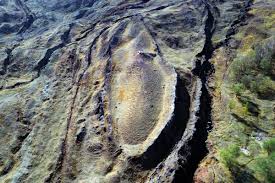
In the chapter, Kathryn Schulz states that “believing things based on paltry evidence is the engine that drives the miraculous machinery of human cognition.” This is shown in religion, because most have meager proof of reality, but large followings of people. This doesn’t stop people from looking everywhere, trying to gain proof. I immediately think of a photo I saw as a kid of “Noah’s Ark” in Turkey (below). Schulz also points out that “[humans] don’t care what is logically valid…We care about what is probable”, and when a person believes in a religion, that proof is probable.

Evidence is something we may seek, but it only takes a little to actual make a person’s mind up. Have you every tried to change a person’s mind once it’s already made up? It’s close to impossible. In the reading it says “you can urge people to not to believe anything based on meager evidence until you are blue in the face, but you will never succeed.”(Schulz) People are set in their ways most of the time, even when other evidence is presented. This connects to politics in so many ways. Most people stay on one side of the party line, and it takes a lot to make them sway in anyway.
Evidence is everywhere and will always matter when it comes to everyday arguments to large scale court hearings. Although it may be ignored to some point, it truly matters in the grand scheme of things. From religion to politics, people believe in things with little to no evidence, but search for it in everything.



 Marissa's Blog